
 The browser own share function is also very useful~
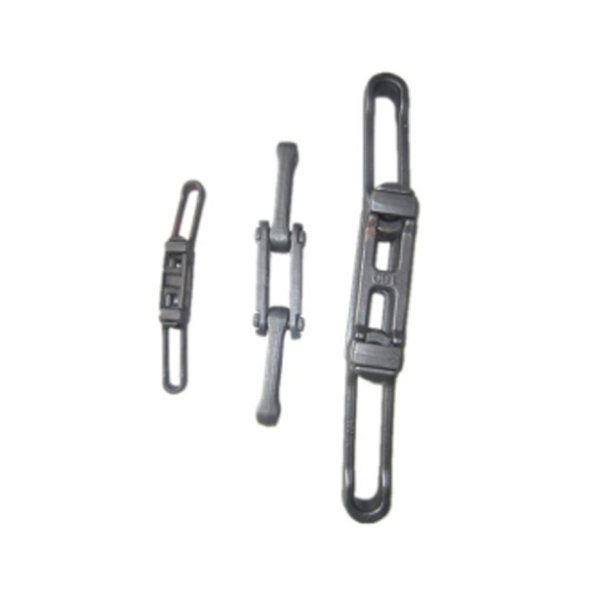
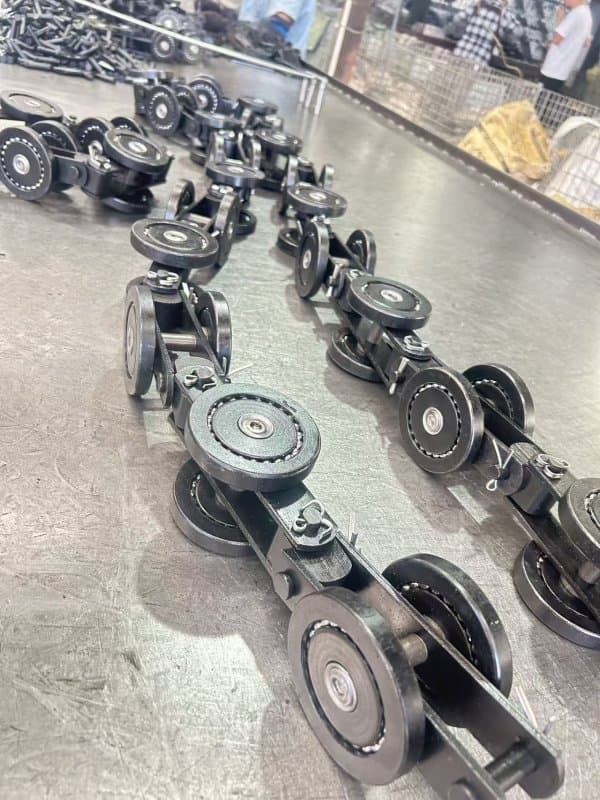
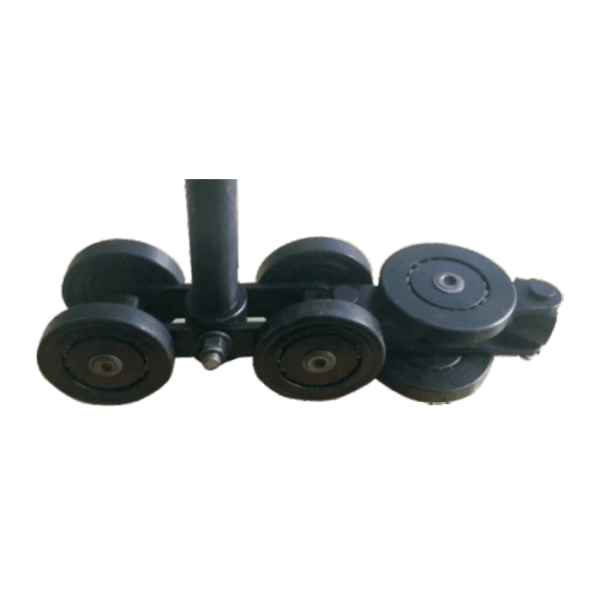
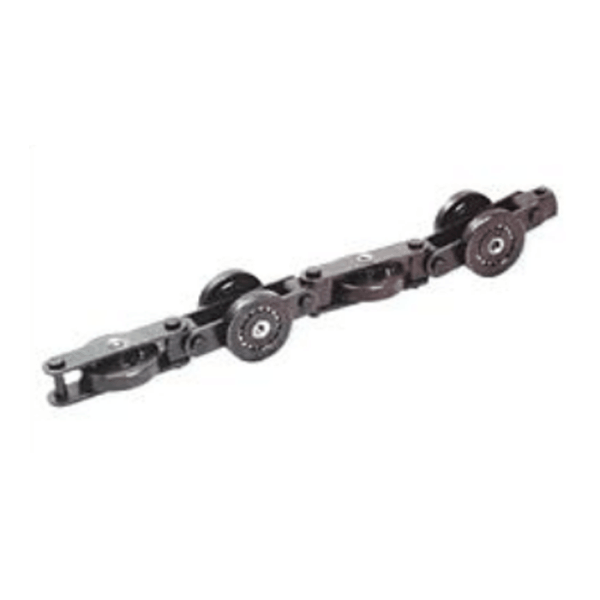
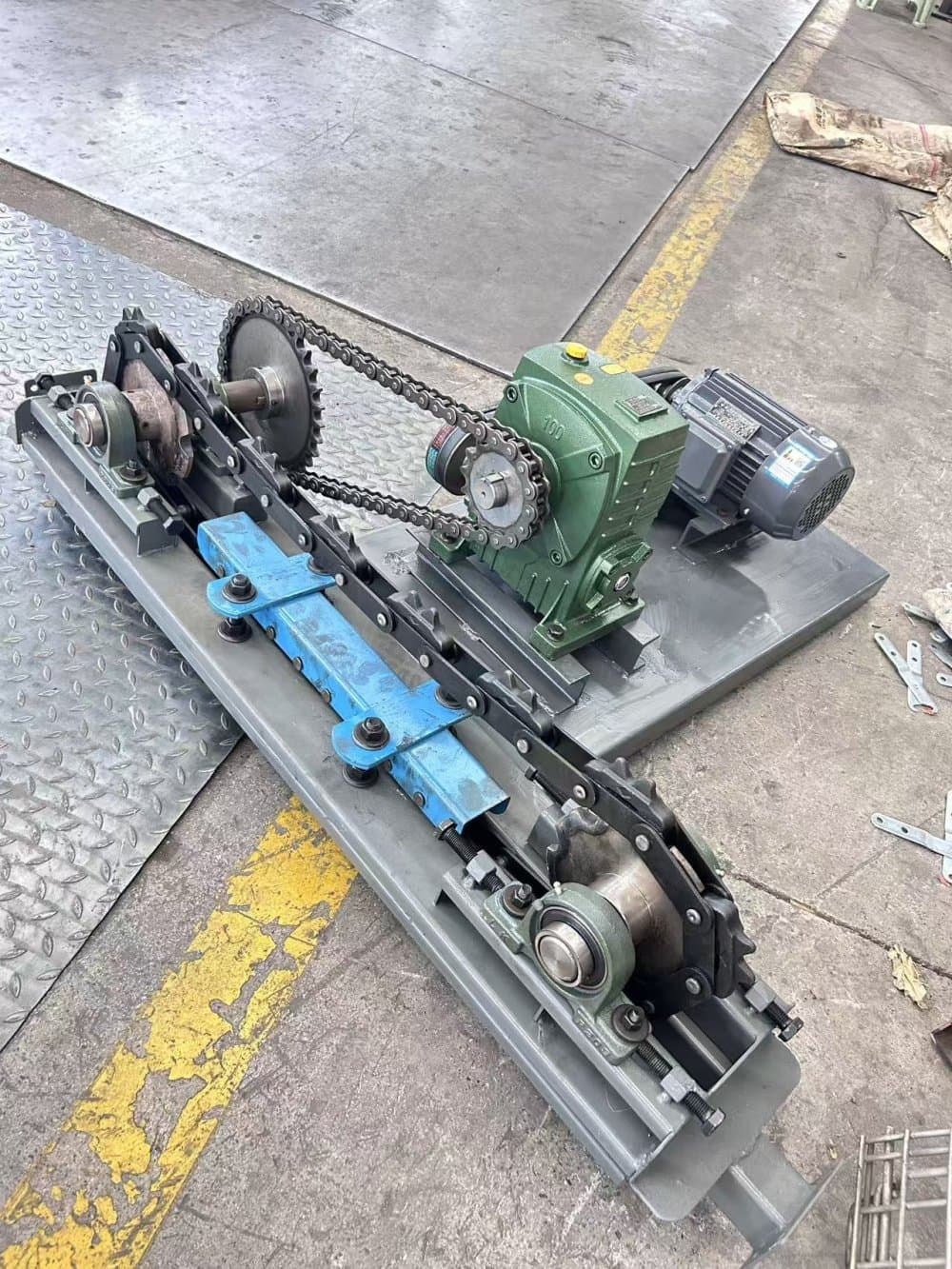
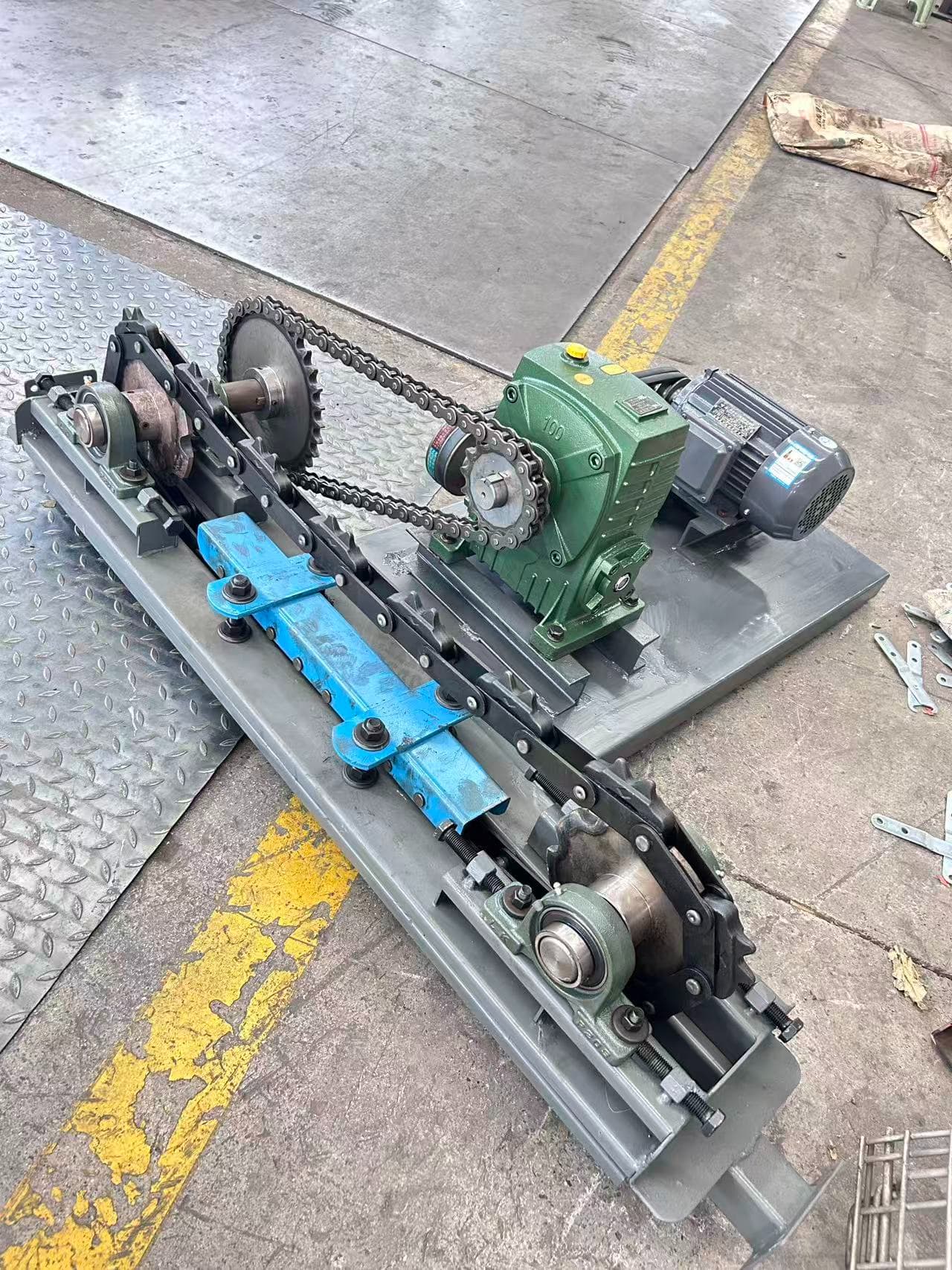
Lightweight overhead conveyor chains (lines) mainly come in two styles: Taiwan-made chains and domestically produced chains. The main difference lies in their manufacturing processes. Taiwan-made chains are generally suitable for small conveyor lines with light workpieces and short conveyor cycle times. Domestically produced chains are made of bearing steel, with manganese steel chain plates and high-temperature heat treatment, making them suitable for production lines with long cycle times and heavy loads.
Introduction to Suspended Conveyor Line Drive Units: XT80, 100, 160 Drive (Forged Chain Series): This unit uses a planetary reducer belt transmission. The standard number of teeth on the drive wheel is 10. For special user needs, a drive wheel with 13 teeth can be provided, provided the reducer strength is guaranteed. The speed range is 0.5~10m/min. Considering the smoothness of line transportation and service life, it is recommended to consider a linear speed of 2~6m/min within the allowable conveying capacity. This drive design takes into account the possibility of damage due to overload or other unexpected situations; therefore, it is equipped with a safety pin protection system. If the traction force is overloaded, the pin will immediately shear off, thus protecting the drive unit. QXG150, 200, 206, 240, 250, 300 Drive (Bearing Chain Series): This unit features a vertical direct-drive configuration between the speed-regulating motor and the pinwheel reducer. It uses pawls on the crawler-type drive chain to push guide wheels on the conveyor chain, propelling the conveyor chain forward. When the traction force is overloaded, the drive unit is protected by a safety pin. The QXG series drive units are also available in left-hand and right-hand configurations. Power is transmitted from a speed-regulating motor via a belt to a swivel wheel reducer, then from the reducer to the drive wheel spindle via a chain and sprocket. The drive wheel then drives the chain, and the pawls on the drive chain push the conveyor chain to move the suspended object forward. If a fault occurs during operation causing traction overload, the adjustable safety clutch on this drive unit will automatically disengage instantly. Simultaneously, the drive head frame will rotate counterclockwise, pressing the limit switch to stop the speed-regulating motor and the speed circuit. After the fault is cleared, the drive head frame returns to its original position, and the clutch re-engages. At this point, the machine can be started and run normally without any speed adjustment. The clutch spring force is adjusted to approximately 100% of the rated traction force at the factory. Users can make additional speed adjustments as needed, but the maximum traction force must not exceed 125% of the rated value. Special attention should be paid to never fully compressing the spring, as this will cause the mechanical protection function to be lost.
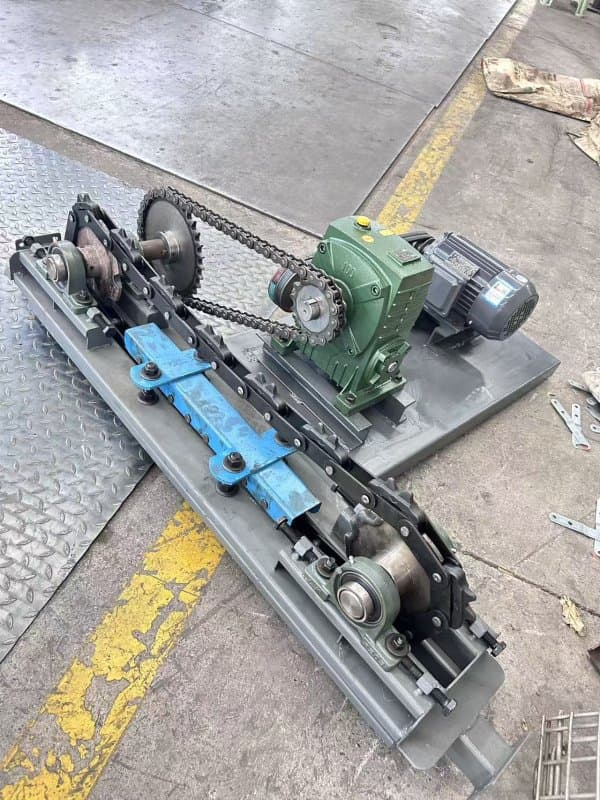
Lightweight overhead conveyor chains (lines) mainly come in two styles: Taiwan-made chains and domestically produced chains. The main difference lies in their manufacturing processes. Taiwan-made chains are generally suitable for small conveyor lines with light workpieces and short conveyor cycle times. Domestically produced chains are made of bearing steel, with manganese steel chain plates and high-temperature heat treatment, making them suitable for production lines with long cycle times and heavy loads.
Introduction to Suspended Conveyor Line Drive Units: XT80, 100, 160 Drive (Forged Chain Series): This unit uses a planetary reducer belt transmission. The standard number of teeth on the drive wheel is 10. For special user needs, a drive wheel with 13 teeth can be provided, provided the reducer strength is guaranteed. The speed range is 0.5~10m/min. Considering the smoothness of line transportation and service life, it is recommended to consider a linear speed of 2~6m/min within the allowable conveying capacity. This drive design takes into account the possibility of damage due to overload or other unexpected situations; therefore, it is equipped with a safety pin protection system. If the traction force is overloaded, the pin will immediately shear off, thus protecting the drive unit. QXG150, 200, 206, 240, 250, 300 Drive (Bearing Chain Series): This unit features a vertical direct-drive configuration between the speed-regulating motor and the pinwheel reducer. It uses pawls on the crawler-type drive chain to push guide wheels on the conveyor chain, propelling the conveyor chain forward. When the traction force is overloaded, the drive unit is protected by a safety pin. The QXG series drive units are also available in left-hand and right-hand configurations. Power is transmitted from a speed-regulating motor via a belt to a swivel wheel reducer, then from the reducer to the drive wheel spindle via a chain and sprocket. The drive wheel then drives the chain, and the pawls on the drive chain push the conveyor chain to move the suspended object forward. If a fault occurs during operation causing traction overload, the adjustable safety clutch on this drive unit will automatically disengage instantly. Simultaneously, the drive head frame will rotate counterclockwise, pressing the limit switch to stop the speed-regulating motor and the speed circuit. After the fault is cleared, the drive head frame returns to its original position, and the clutch re-engages. At this point, the machine can be started and run normally without any speed adjustment. The clutch spring force is adjusted to approximately 100% of the rated traction force at the factory. Users can make additional speed adjustments as needed, but the maximum traction force must not exceed 125% of the rated value. Special attention should be paid to never fully compressing the spring, as this will cause the mechanical protection function to be lost.