
 The browser own share function is also very useful~
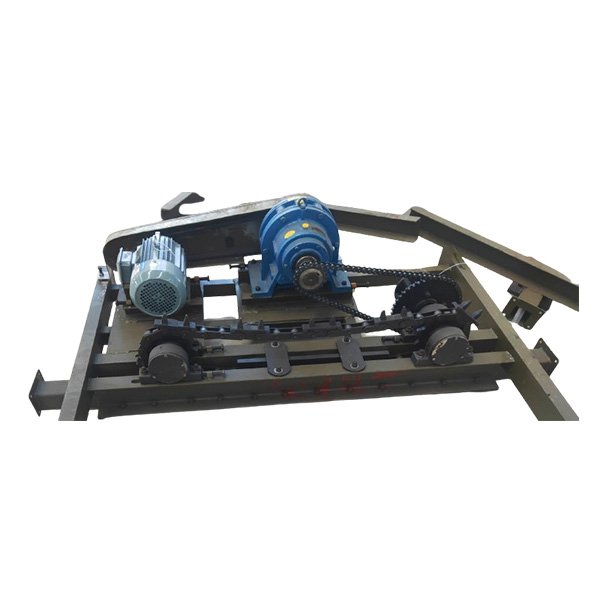
The power of this drive unit is transmitted from a speed-regulating motor via a belt to a cycloidal pinwheel reducer, and then from the reducer to the drive spindle via a chain and sprocket. The drive then directly drives the conveyor chain along the enclosed inner cavity of the rail to transport suspended objects forward. When a malfunction occurs during operation, causing traction overload, the adjustable safety clutch on this drive unit automatically engages instantly. Simultaneously, its movable half-clutch presses the electrical limit switch, stopping the speed-regulating motor and the entire circuit. After the fault is cleared, the clutch teeth re-engage, and the machine can be restarted and run normally without any adjustment.
The clutch is manufactured with the spring force adjusted to approximately 100% of the rated traction force. Users can make additional speed adjustments as needed, but the maximum traction force must not exceed 125% of the rated value. Special attention should be paid to never fully compressing the spring, as this may result in the loss of mechanical protection.
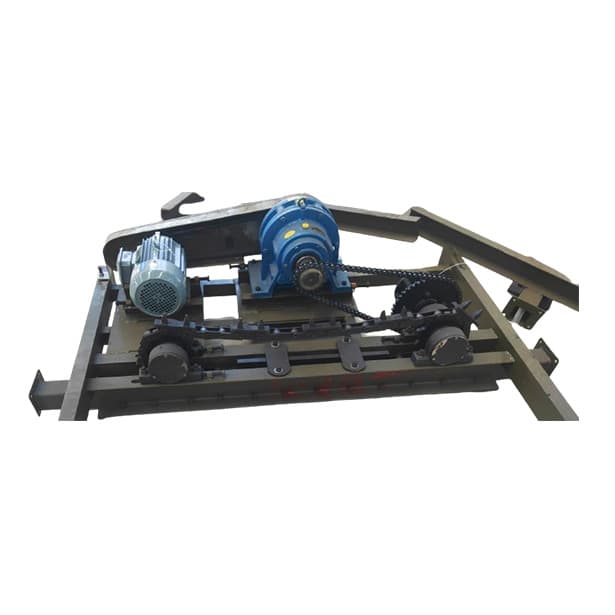
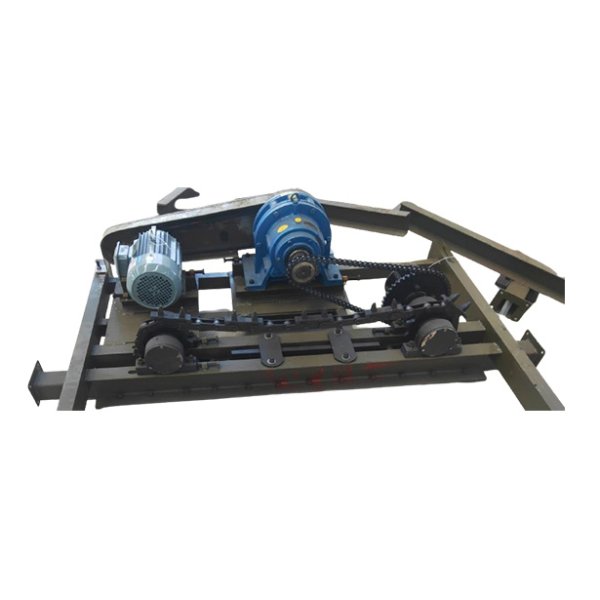
The power of this drive unit is transmitted from a speed-regulating motor via a belt to a cycloidal pinwheel reducer, and then from the reducer to the drive spindle via a chain and sprocket. The drive then directly drives the conveyor chain along the enclosed inner cavity of the rail to transport suspended objects forward. When a malfunction occurs during operation, causing traction overload, the adjustable safety clutch on this drive unit automatically engages instantly. Simultaneously, its movable half-clutch presses the electrical limit switch, stopping the speed-regulating motor and the entire circuit. After the fault is cleared, the clutch teeth re-engage, and the machine can be restarted and run normally without any adjustment.
The clutch is manufactured with the spring force adjusted to approximately 100% of the rated traction force. Users can make additional speed adjustments as needed, but the maximum traction force must not exceed 125% of the rated value. Special attention should be paid to never fully compressing the spring, as this may result in the loss of mechanical protection.